Beginner’s Guide to AI: 10 Things You Should Know
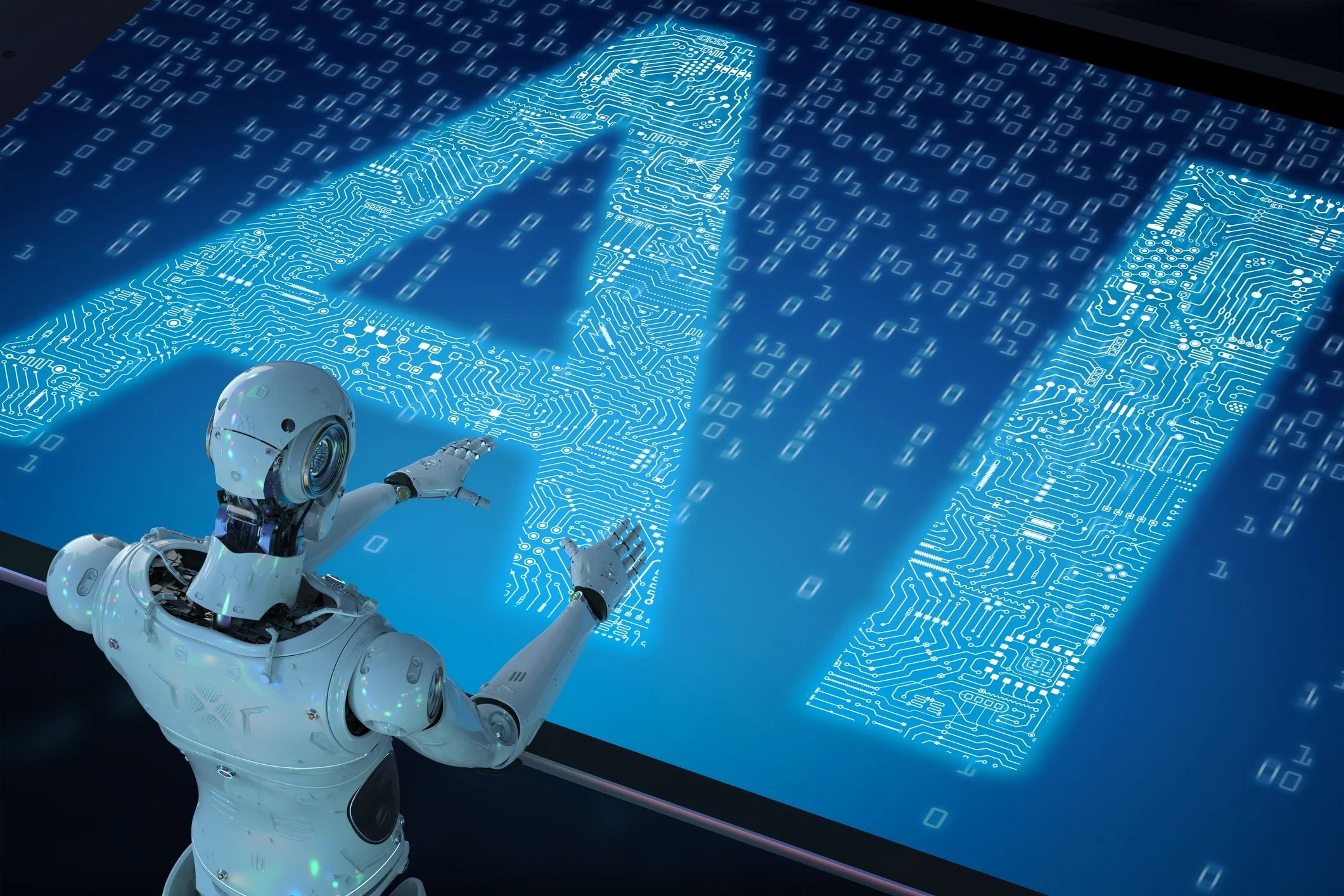
I am sure by this point you have heard the term “AI” thrown around everywhere, from news media, to websites promoting themselves on social media, and even to the most common one we know “Hey Siri.” In this article, I will breakdown important things to know about AI, to minimize the knowledge gap of what AI really means, its uses, and how you can potentially find ways to integrate AI into your life.
The world is changing rapidly more and more each day. With that comes the advent of technology and the new ways it is integrated in our day-to-day routines. Here are the top 10 things you should know about AI before diving further into its boundless world.
What does AI even mean? AI is short for Artificial Intelligence, which is basically a program or large language model (LLM), that run on a super computer. AI can imitate humans based on the knowledge/data, and through algorithms, it has been trained on. For example, if you gave an AI a bunch of information about cooking and provided it a variety of recipes, and then asked it to create a recipe based on 5 key ingredients you have in your kitchen, it can generate one, if not multiple recipes. AI is considered artificial since it has the elements and components of human intelligence, but it has been created by humans, hence the term “artificial.” The best way to think about AI is that it is a programed automated system that translates one thing into something else based on the prompt or set of instructions we give it.
Machine learning is how programers train the AI. Essentially, machine learning is a process by which programmers instruct a computer system how to recognize patterns and make predictions derived from these patterns. What makes machine learning so powerful is that the computer system can run the patterns (input) multiple times, generating enough repetition that it can then predict the outcome (output).
LLMs undergo extensive training on vast amounts of text to grasp the patterns and connections in language, enabling them to employ human-like vocabulary.
AI does not have thoughts or feelings. I know everyone is afraid of this doomsday version of iRobot where robots and AI take over humans, but this is just fear-mongering. AI tends to sound like humans because they have been designed that way based on the texts they have been trained on. They patterns and verbal habits of humans they can pick up, which is what makes them seem so conversational and understanding when you talk to them.
Generative AI (Gen AI) leverages the power of LLMs to make new things based on existing things. Gen AI can make pictures, video, music, code, etc, similar to Google’s video creator Sora or Midjourney. This is still fairly new, so tech companies are collaborating to figure out ways that help clearly identify what is AI-generated content to reduce and deter bad actors who may want to use Gen AI for misinformation purposes.
Fake news! As I mentioned with Gen AI, with regular AI, can sometimes fabricate the truth because again it is built off of the text it receives, so sometimes AI cannot detect the difference between what is real and what is fake, which prompts them to give inaccurate responses. Sometimes AI’s predictions or outputs are wrong or just outdated with information from the past, so it is important you always fact check anything that may be historical information, current news, etc.
Who bears responsibility for how AI is trained? Well the humans who created them of course. But how can we trust the creators built the AI with good intentions? I guess the answer is we will never really know and although there are usually inherit biases that are embedded in what the AI model is trained on, there is a shift in the world of AI to improve bet practices for training. For example, making sure the AI is safe and fair with the safeguards of rules and restrictions. Since the intention behind AI is to help inform humans on what decisions to make or sharing different tidbits of information, it is important to mitigate inherent biases and help the AI to reflect on society as a whole vs certain groups of people.
Prompting, everyone’s new favorite word. So, what is a prompt? A prompt in writing, can be a question, statement, or scenario that serves as the starting point for generating ideas or crafting a piece of writing. It is like a guiding light that helps direct your thoughts and efforts towards a specific goal or theme. Prompts are best used to direct the LLM or AI to perform a task and produce a specific output. The best way to maximize your AI’s output is by providing it with high quality inputs that inform the AI on the type of output you are looking for. The prompt is the intention you create to achieve your desired response.
Copilots are the new personal assistant. Copilots asset you with tasks like coding, summarizing texts, writing, calculating equations or numbers, planning trips, etc. Copilots use a collection of data to help you make decisions for your specific needs. Copilots are generally used as a tool to help you be more productive.
Plugins are an AI’s best friend. Plugins are basically apps you can integrate in your AI to increase its efficiency to perform certain tasks. Plugins allow copilots to interact with other products, software and services. For example a plugin like Midjourney can help you create an AI image to go with a social media post you need help writing.
All in all, AI is “taking over the world,” as some might say. AI definitely has the potential to replace certain jobs, but the real power behind AI is the ways in which humans can use it as a TOOL to improve efficiency and productivity. It allows us to get more done with less effort and time. When I first heard about ChatGPT I was skeptical about its capabilities, but now that I have had over a year of interactions with it, I realize just how POWERFUL of a tool it can be.
Attribution to Susanna Ray who wrote 10 AI terms everyone should know
About the Author
Solange Camacho drives forward and supports clean energy initiatives in the U.S. Virgin Islands. Through her work and time living in the Caribbean, she has gained a closer relationship and understanding of the nexus between electrical power and the natural environment. She believes her altruism to make the planet more habitable for future generations, will inspire others to also make this a reality for their local communities and the world at large.
With a focus on wellness and environmental sustainability, her work highlights the complexities and nuances associated with improving our inner self to better shape our outer reality, and ultimately propel us to course-correct and heal the planet from the self-destructive behavior humanity has demonstrated over the last century.
Let’s be friends! Connect with me!