Wellness-Driven Sustainability Explained
Understanding Sustainability
Sustainability is a term that carries various definitions depending on the context. The dictionary defines sustainability as producing goods and services in ways that [do not overuse or overconsumption] resources [that] cannot be replaced and that do not damage the environment. Now as I mentioned, there are tons of definitions of the word sustainability, but to me this particular definition nails it. Why is that you might ask? Simply put, it’s two ideas, one, “resources [that] cannot be replaced,” and two, “do not damage the environment.”
Don’t get me wrong, I recognize there are nuances even in this single definition, but when sustainability professionals talk about what sustainability means, we are referring to the idea of resources available being sustained for a long period of time, allowing them to replenish and provide more for future generations. We also mean, while our environment is often times very fruitful, we also should not damage it and over consume what it provides us, for the risk of completely depleting what we have available to us. And we very clearly see this happening in the world today.
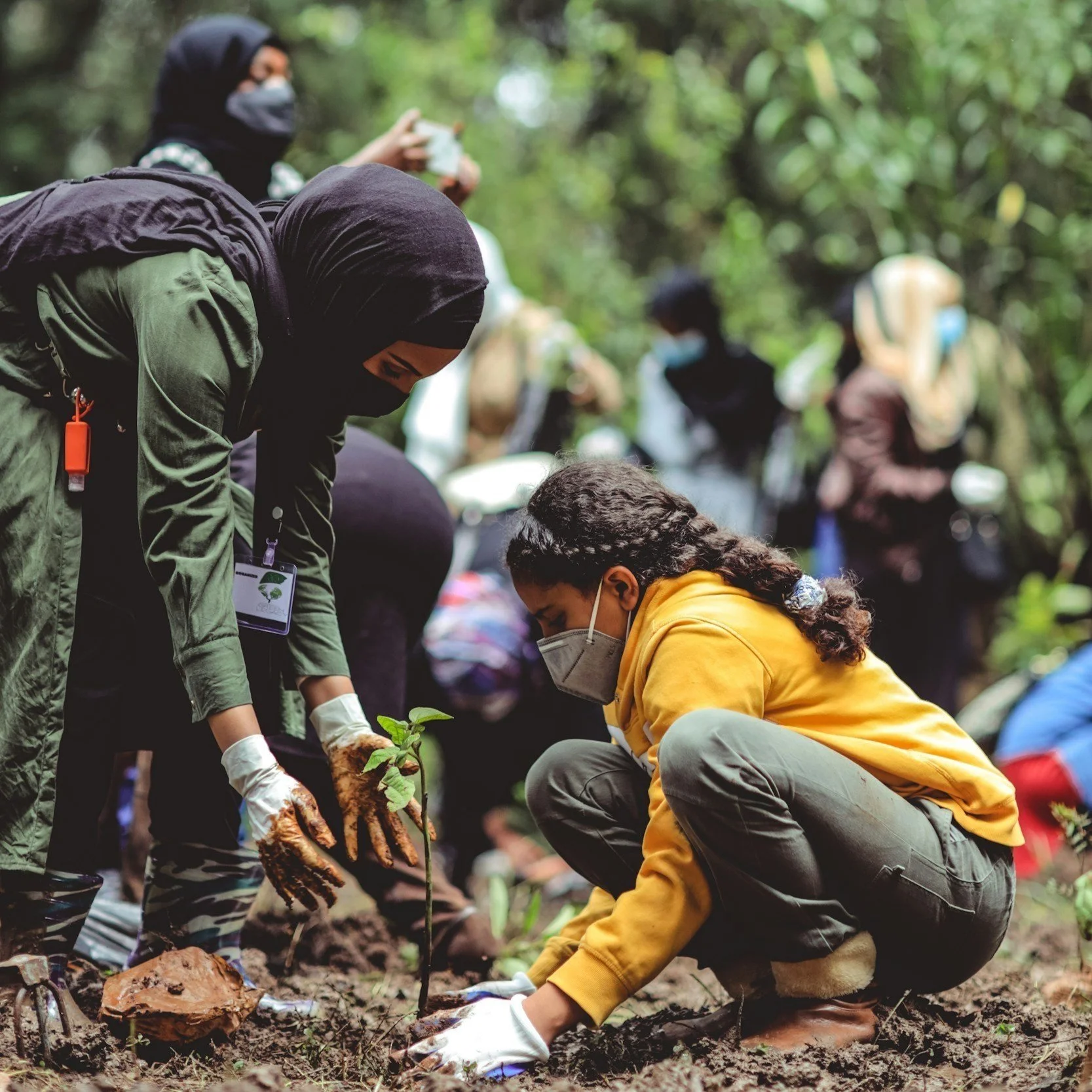
My personal take is that the idea of sustainability is really about being able to sustain and maintain what you have available to you over extended periods of time so that future generations can continue to enjoy the fruits and harvest of our labor. In a nutshell, sustainability is about keeping the planet and nature’s resources and ecosystems balanced so that they can continue to provide for us. My perspective is also that the governmental and financial systems of the world have created a model of existence, that by nature, is unsustainable and instead of recognizing that which we overuse and overconsumption for the sake of financial gain, success and power, we are simultaneously jeopardizing exactly what we were incarnated on this earth to do.
What were we incarnated on earth to do? We were born here to be able to experience life and all that God has created for his children to enjoy, and learn different lessons throughout our life to remind us of the light within so we can evolve as spiritual souls. I do not believe God created man to perish the earth and our “playground.” God wanted us to find love and joy so we can understand these virtues in ways the spiritual realms/dimensions (or whatever you prefer to call them) cannot always teach us. So why do we continue to destroy our planet, ourselves, and others at an exponential rate? Simple, greed, power, and the false sense of security we have been sold by the powers that be.

Traditionally, as I’ve already highlighted, the term sustainability is associated with environmental conservation and responsible resource management. However, from a wellness perspective, sustainability encompasses the strategic nurturing of our long-term well-being, with the ultimate goal of helping each other grow and come into oneness and unity, not hate and division. It's about making conscious choices that sustain our health, happiness, connection to our creator, and vitality throughout our life.

My Personal Transformation: How I Came to Sustainable Wellness
Two years ago, I found myself overwhelmed, juggling multiple jobs and struggling to maintain my physical and mental health. My daily routine was unsustainable, and I felt the toll it was taking on my overall well-being. I knew I needed a change, but the path forward seemed unclear.
In my quest for balance, I began to explore the concept of sustainability from a new angle, a journey that really started in 2019 when I diagnosed with cysts on my ovaries. I started viewing my wellness as a long-term project, one that required careful planning and consistent effort. This shift in perspective was a game-changer. I realized that just like the environment, my health needed to be nurtured and protected with mindful habits and choices.

Wellness Lens: My Sustainability Strategies
Through my journey, I discovered that sustainability in wellness involves several key ideas:
Mindful Eating: I began focusing on a diet rich in whole, organic, unprocessed foods. Not only did this improve my physical health, but it also made me more aware of the environmental impact of my food choices. Opting for local foods, home-cooked meals, and organic produce reduced my carbon footprint and supported sustainable farming practices.
Consistent Movement: Regular exercise (in my case, dance, pilates and strength-training) became a non-negotiable part of my routine. I embraced activities I enjoyed, such as yoga, biking, and hiking, which not only kept me fit but also kept me connected with nature.
Mental Health Practices: Incorporating weekly meditation and journaling (I am for daily, but I am human and consistency is always a challenge) into my life helped me manage stress, and remain grounded and centered. These practices became vital in sustaining my mental well-being.
Ethical Consumption: I started paying more attention to the products I used and the clothes I wore. Choosing sustainable brands and reducing waste became integral to my lifestyle, especially with beauty and hair products, as well as fashion.
Community Engagement: Recognizing the impact of my actions on the community, I became involved in local initiatives that promoted sustainability. This not only amplified my efforts but also fostered a sense of connection, purpose, and community for me.
Benefits of Sustainable Wellness
Living through the lens of sustainable wellness has brought numerous benefits:
Improved Health: By focusing on long-term well-being, I experienced better physical health, more energy, and reduced stress levels.
Greater Fulfillment: Aligning my lifestyle with my values created a deeper sense of purpose and satisfaction.
Positive Impact: My sustainable choices contributed to a healthier environment and a more resilient community.
Broader Implications
The choices we make in our daily lives—what we eat, wear, and how we use our resources—extend beyond personal well-being. When we commit to sustainability, we contribute to a larger movement that supports ecological balance and social equity. Every mindful action adds up, creating ripples that can lead to significant change in our communities and the world at large.
My Call to Action For You
I encourage you to reflect on your own journey and consider how you can incorporate sustainable practices into your life. Start small: perhaps by choosing more eco-friendly products, reducing waste, or dedicating time to a wellness routine that nurtures your body and mind. Share your experiences in the comments. below or via social media, tag me and inspire others to join the movement towards sustainable wellness. Together, we can create a future where both our personal well-being and the health of our planet are sustained and celebrated.
About the Author
Solange Camacho drives forward and supports clean energy initiatives in the U.S. Through her work and time living in the Caribbean, she gained a closer relationship and understanding of the nexus between electrical power systems, the natural environment, and the role society can play. She believes her altruism to make the planet more habitable for future generations, will inspire others to also make this a reality for their local communities and the world at large.
With a focus on wellness, environmental sustainability, identity, and culture, her work highlights the complexities and nuances associated with improving our inner self to better shape our outer reality, and ultimately propel us to course-correct and heal the planet from the self-destructive behavior humanity has demonstrated over the last century.
Let’s be friends! Connect with me!